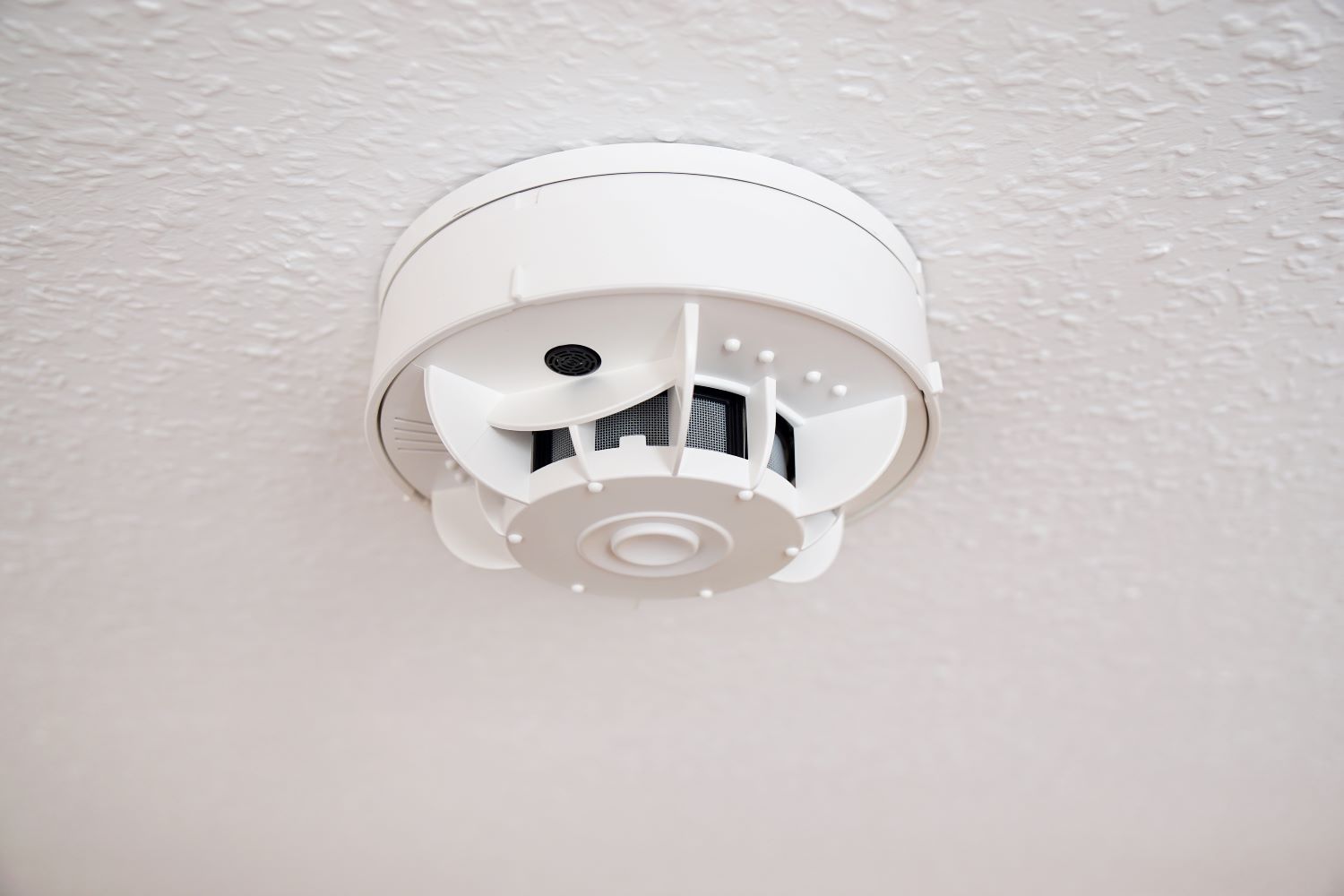

The smoke detector is one of the simplest yet most powerful tools to protect your family from fire hazards. While most people install it and then forget about it, this small device only works when it is properly maintained. The truth is, a smoke detector should never be treated as a “set it and forget it” gadget. Regular testing and timely replacement ensure that it performs when you need it most.
Why Maintenance Matters
A smoke detector is designed to alert you in the earliest moments of a fire. If it fails to work, the risk of injury or loss increases significantly. Dust, dead batteries, or expired sensors can all reduce the effectiveness of your device. That’s why maintenance isn’t optional—it’s essential.
How Often Should You Test Your Smoke Detector?
Experts recommend a simple testing routine to keep your smoke detector in top condition:
- Monthly Testing
Press the test button on the unit once a month. If the alarm sounds loudly, the system is working. If not, replace the batteries or the device itself. - Battery Checks
If your smoke detector runs on replaceable batteries, change them at least once a year. For sealed 10-year battery models, testing is still required even if you don’t replace the battery. - Visual Inspection
Look for dust buildup, discoloration, or any damage. Clean around the unit gently with a vacuum attachment to avoid blocking the sensor.
When Should You Replace a Smoke Detector?
Just like other appliances, smoke detectors have an expiration date. Most models last 8–10 years before the sensors begin to lose accuracy. Here are the signs it’s time to replace yours:
- The device is more than 10 years old.
- It chirps frequently, even after replacing the batteries.
- The alarm sounds weaker or inconsistent during tests.
- The manufacturer’s replacement date on the label has passed.
Replacing your smoke detector on schedule ensures maximum reliability and peace of mind.
Tips for Extending the Life of Your Smoke Detector
You can’t stop the clock on sensor expiration, but you can help your device stay reliable in the meantime:
- Keep It Clean: Dust and grease can block sensors. Vacuum lightly around vents every few months.
- Proper Placement: Install detectors on ceilings or high walls, away from kitchens or bathrooms where steam may cause false alarms.
- Stay Informed: Register your device with the manufacturer for recall notices or product updates.
- Upgrade Smartly: Consider modern models with smart features, such as smartphone alerts or combined carbon monoxide detection.
Common Mistakes to Avoid
Many homeowners think their smoke detector is always working, but small oversights can put safety at risk. Avoid these common mistakes:
- Ignoring the low-battery chirp.
- Failing to test the unit regularly.
- Assuming a hardwired detector never needs replacement.
- Installing only one device for the entire home instead of placing them in key areas like bedrooms and hallways.
Conclusion
Maintaining your smoke detector doesn’t take much effort, but it makes all the difference in an emergency. Test it monthly, replace batteries as needed, and remember that most devices should be replaced every 8–10 years. By keeping your smoke detector in top condition, you ensure your home remains safe, your family protected, and your peace of mind intact.